
< INDIA | DELHI: The Imperial
1936
The Imperial
Delhi
Janpath Lane
Delhi, 110001
India
Phone: +91 11 2334 1234
Fax: +91 11 2334 2255
www.theimperialindia.com
Facebook | Twitter | Instagram
GPS: 28° 37' 30.16" N 77° 13' 5.91" E
MAKE A RESERVATION
powered by: Booking.com
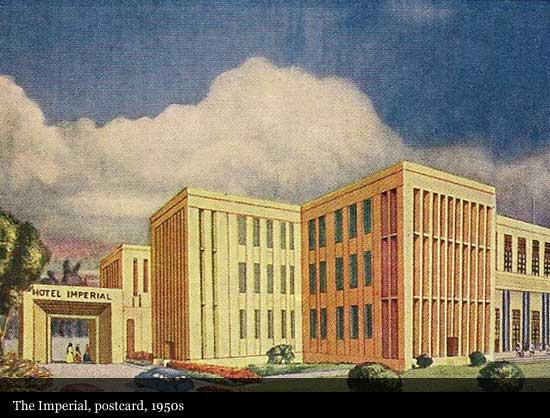

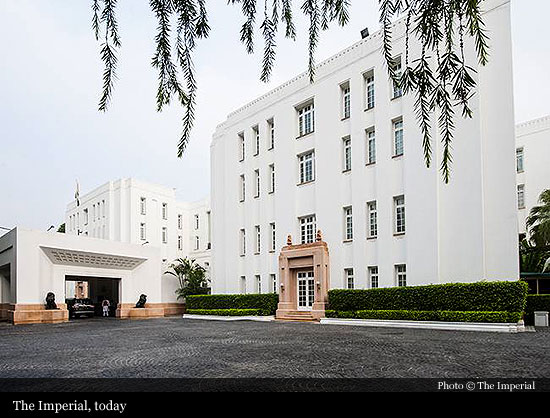







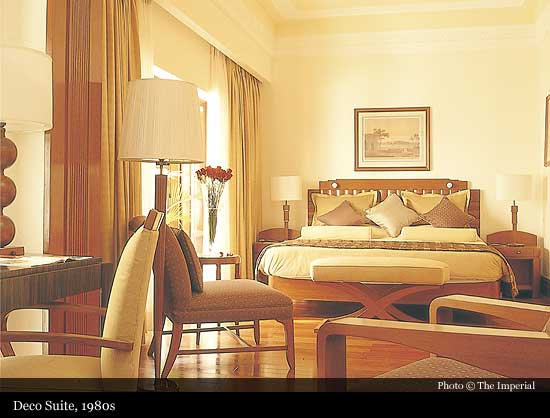

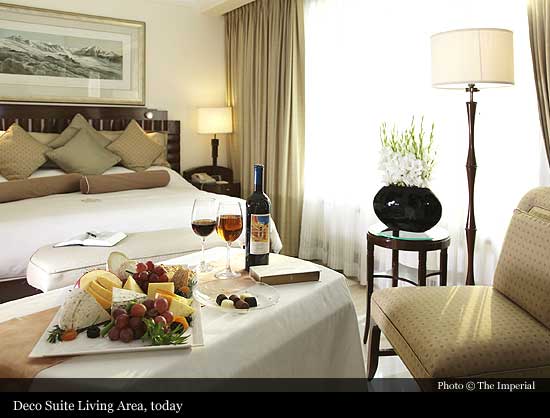

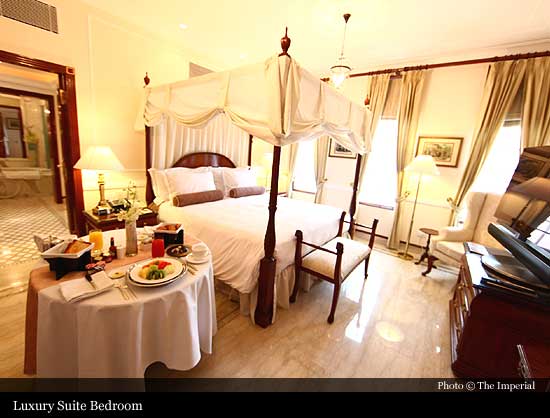

Conceptualised in 1934 by D.J. Bromfield and inaugurated by Lord Willingdon in 1936, The Imperial was designed to be the most luxurious Hotel in New Delhi in
Sir Edwin Landseer Lutyens’ grand vision of the Capital City’s original master plan. The Imperial was placed on the second most important social boulevard of the nation, the
prestigious Queensway, now called Janpath, the first being the grand and ceremonious Kingsway, now known as Rajpath.
Blomfield designed the Hotel in an eclectic manner, combining unique blend of Victorian, old colonial and Art Deco styles: The gates and the massive, avuncular bronze lions at the
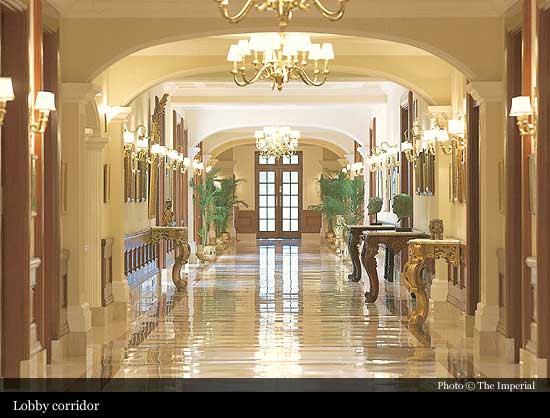
entrance are Victorian. In the high-domed Atrium inside, Art Deco wall panels and wrought iron balconies recall the early 20th century. Lutyens’ design of the Universe, a masterpiece
made with 800 pieces of marble, can be noticed all over the Hotel, including in its rich 24-carat gold leaf form that appears on the rotunda in the heart of the lobby.
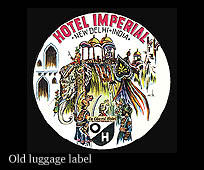 Lady Willingdon would be seen at the Hotel looking after the interior designing and it was she who gave the name ‘The Imperial’ to the Hotel.
The Imperial was the first amongst the legendary “Four Maidens of the East”, which some say included The Strand hotel in Rangoon, Raffles Hotel in Singapore and the Great Eastern & Oriental
in Calcutta.
From the time The Imperial opened its doors in the 1930s, when India was beginning to write the last chapters of its saga on independence, there was little space in New Delhi for an
Indo-British rubbing of shoulders. The Imperial provided such a space. Pandit Nehru, Mahatama Gandhi, Muhammad Ali Jinnah and Lord Mountbatten would meet at The Imperial under congenial
conditions to discuss the partition of India and creation of Pakistan.
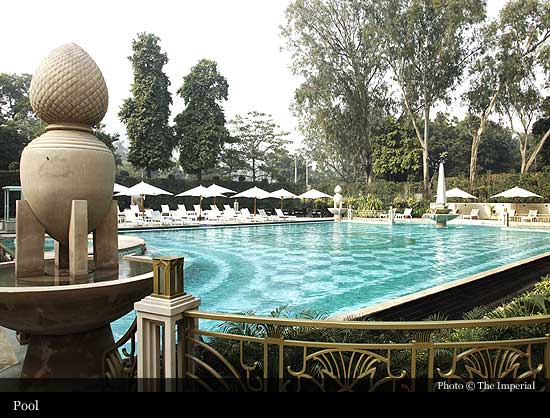
The Imperial’s pillared verandahs, dining rooms, tea lounges, Royal Ballroom and cool and over eight acres spacious gardens became the venue of many celebrated encounters between the British
and Indian aristocracy and gentry. If only walls could speak, here indeed was a repository of fascinating anecdotal material for authors of romantic and detective fiction.
It was here at The Imperial, where you could clink your glasses on the same table as the King or Gandhi, to the war efforts or to the quit India movement; to the strains of Blue Dambe or the
belly act of a belle from Beirut with an orchestra from London to serenade you at lunch and invite you to take the floor with candle - lit dinner in the evening.
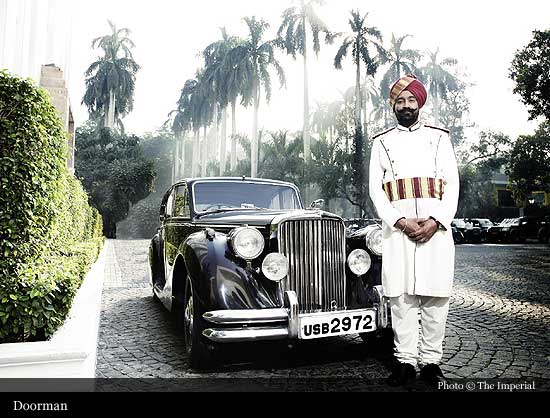
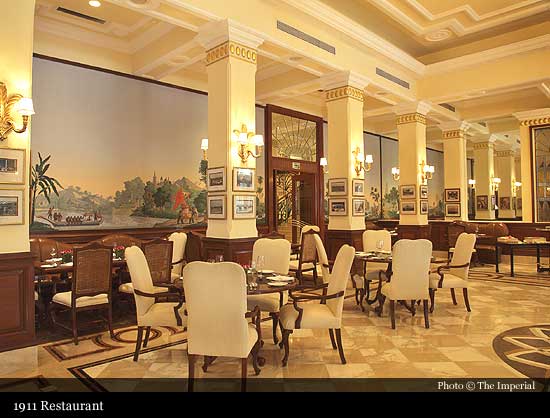
Silver tea service, tableware from London, Italian marble floors, Burma teak furniture, original Daniells and Frasers on the walls, a vision of undulating green lawns, turbaned waiters in red,
all creating the aura of an early 19th century English Manor in the heart of Imperial Delhi.
Over the last five years, The Imperial has undergone a major renovation and restoration work under the aegis of Hong Kong based architect Chandu Chhada – an exercise that re-established the
splendour of the Hotel as the grandest colonial hotel in Asia.
A veritable museum with a rare and original collection, The Imperial showcases different forms of art in its rooms, corridors and public areas. Finest 18th and 19th century paintings, lithographs,
sculptures and intricately painted murals – all offer a memorable experience to an art aficionado.
Called the ‘only’ Garden Hotel of Delhi, The Imperial rests resplendent in beautifully manicured gardens nestled amidst royal palms. The 24 king palms that lead up to the porch are an integral part
of and witness to the very creation of New Delhi.
For more than seven decades, The Imperial has hosted New Delhi’s most important social gatherings, political get-togethers of historical significance and business meetings. Traditional hospitality
complemented by an impressively discreet and courteous service guarantees the success of an event – of any scale.
Probably the only authentic ballroom remaining in India with a spring floor that reduces noise levels, the Royal Ballroom evokes the splendor of Lords and Ladies bowing and courtesying, before they
swirled across the floor to the strains of the waltz. This is where the distinguished guests amused themselves when the Hotel was opened in 1936 and this is the room where the first grand Ball was
held.
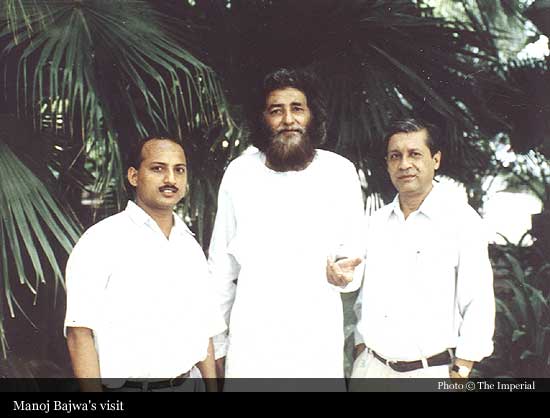
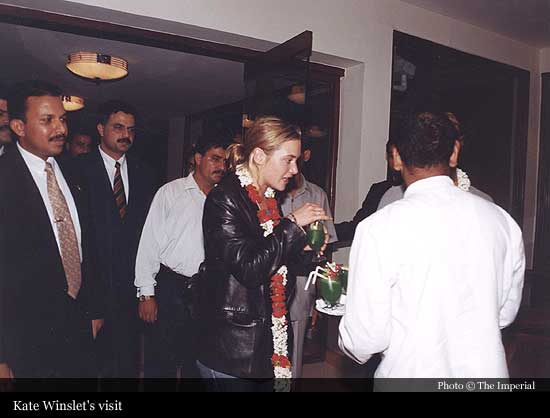
Till the 1970s every important person stayed at The Imperial. Nehru family had a permanent suite here. 13 Embassies were located in the premises of the Hotel. The tradition continues. No wonder
then, that celebrities like James Cameron, Frederick Forsyth, Kate Winslet and more recently the Queen of Netherlands, King of Morocco and Rock Star Sting never stay elsewhere, when in Delhi.
Additional literature:
#Andreas Augustin: The Imperial New Delhi
The Most Famous Hotels In the World, 2007 | ISBN-10: 3900692173; ISBN-13: 978-3900692179
English language (French version also available) | 160 pages | Hardcover
| Buy it at Amazon | Buy it at Alibris |